
Pilates often sparks a lot of questions. People hear it helps with strength, posture, and movement, but they want clear answers before trying it. This guide brings together the most common Pilates questions in one place, written in plain language. If you are curious about what Pilates is, who it is for, and how it works, you will find clear explanations below.
What is Pilates?
Pilates is a form of exercise that focuses on controlled movement, breathing, and body awareness. It was created by Joseph Pilates in the early twentieth century. The method centers on core muscles, which include the abdomen, lower back, hips, and glutes. Movements are slow, precise, and done with attention rather than speed.
What are the main goals of Pilates?
Pilates aims to build strength, improve posture, support joint health, and increase body control. Many people also notice better balance and flexibility over time. The goal is not exhaustion but steady progress through focused movement.
Is Pilates good for beginners?
Yes. Pilates works well for beginners because exercises can be adjusted based on ability. Instructors often start with basic movements and simple breathing patterns. As strength and coordination improve, exercises can become more challenging.
Do I need to be flexible to start Pilates?
No. Flexibility is not a requirement. Pilates can help improve flexibility gradually. Many people begin with limited range of motion and see steady improvement through regular practice.
Is Pilates low impact?
Yes. Pilates is considered low impact. Movements are controlled and gentle on the joints. This makes it a popular choice for people who want to stay active without high stress on knees, hips, or the spine.
What is the difference between mat Pilates and reformer Pilates?
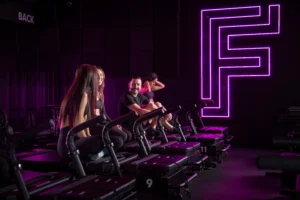
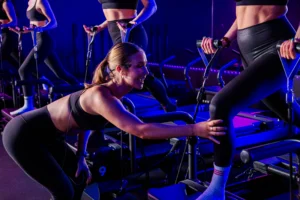
Mat Pilates is done on the floor using body weight for resistance. Reformer Pilates uses a machine with springs, straps, and a sliding carriage. The reformer adds resistance and support, which can help with strength and alignment. Both styles follow the same core principles.
Which is better, mat or reformer Pilates?
Neither is better for everyone. Mat Pilates is simple and accessible, while reformer Pilates offers more variety and support. Many people use both as part of their routine.
How often should I do Pilates?
Most people benefit from two to three sessions per week. Some practice more often, especially if Pilates is their main form of exercise. Even one session per week can be helpful when done consistently. (Read Complete Blog)
How long does it take to see results from Pilates?
Some people notice changes in posture and body awareness within a few weeks. Strength and flexibility changes often appear after about four to six weeks of regular practice. Results depend on frequency, effort, and individual goals. (Read Complete Blog)
Can Pilates help with back pain?
Pilates is often used to support back health. It focuses on core strength and proper movement patterns, which can reduce strain on the spine. Many physical therapists recommend Pilates for people with mild to moderate back pain. A qualified instructor should be informed about any pain before starting.
Is Pilates safe during pregnancy?
Pilates can be safe during pregnancy when guided by a trained instructor. Exercises are often modified to support changes in the body. Pregnant clients should always check with a healthcare provider before starting.
Can men do Pilates?
Yes. Pilates was originally created by a man and practiced by men. It helps with strength, mobility, and injury prevention. Many athletes use Pilates to support their training. (Read Complete Blog)
Is Pilates good for weight loss?
Pilates supports muscle tone and body awareness, which can help with overall fitness. It may support weight management when paired with regular movement and balanced eating. Pilates alone is not focused on burning large amounts of calories, but it plays a helpful role in a healthy routine. (Read Complete Blog)
Does Pilates build muscle?
Pilates builds lean muscle through controlled resistance and repetition. It does not focus on bulky muscle size. Many people notice firmer muscles and better definition over time.
Can Pilates improve posture?
Yes. Posture is a key focus in Pilates. Exercises strengthen muscles that support the spine and teach better alignment. Over time, this can lead to standing and sitting with less strain.
Is Pilates the same as yoga?
No. Pilates and yoga share some similarities, such as focus on breathing and control. Pilates places more emphasis on core strength and precise movement patterns. Yoga often includes holding poses and a stronger focus on flexibility and meditation.
What should I wear to a Pilates class?
Wear comfortable clothing that allows free movement. Fitted clothes help instructors see alignment. Many people practice barefoot or wear grip socks to avoid slipping. (Read Complete Guide)
Do I need special equipment for Pilates?
For mat Pilates, a mat is usually enough. Some classes use small tools like rings or bands. Reformer Pilates requires a machine, which is typically found in studios.
Can Pilates help with injuries?
Pilates is often used in injury recovery under professional guidance. Exercises can be adjusted to avoid pain while building strength and stability. Anyone with an injury should inform the instructor before starting.
Is Pilates good for older adults?
Yes. Pilates is suitable for older adults because movements are controlled and adjustable. It can support balance, joint mobility, and daily movement. Many studios offer classes designed for this age group.
How is breathing used in Pilates?
Breathing in Pilates is controlled and intentional. It helps support movement and core engagement. Instructors often guide when to inhale and exhale during each exercise.
Can Pilates help with stress?
Many people find Pilates calming. The focus on breathing and controlled movement can help reduce mental tension. While it is a physical workout, it also encourages mental focus.
What should I expect in my first Pilates class?
A Pilates first class usually starts with basic movements and simple instructions. The instructor may ask about injuries or concerns. You may feel muscles working in new ways, especially in the core.
Is Pilates only for certain body types?
No. Pilates is for all body types. Exercises can be adapted to meet individual needs and abilities. The focus is on function and movement, not appearance.
Can I do Pilates at home?
Yes. Many people practice mat Pilates at home using online guidance. Proper form is important, so beginners often benefit from at least a few sessions with an instructor first.
How does Pilates support daily movement?
Pilates builds awareness of how the body moves during daily tasks like sitting, lifting, and walking. This awareness can lead to better movement habits and fewer aches over time.If you still have questions about Pilates that were not covered above, our team is happy to help. You can reach out to us directly or speak with an instructor at any of our Pilates studios. A quick conversation can help you understand which class or approach may suit your needs and goals.