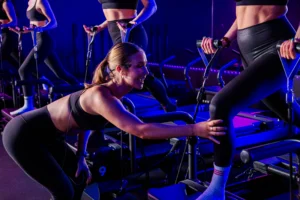

Whether you’re a beginner just discovering Pilates or a seasoned enthusiast looking to optimize your routine, one question often comes up: How often should I do Pilates? The answer isn’t as simple as a fixed number; it depends on your goals, your body, and your lifestyle.
Pilates is a highly adaptable form of exercise that can meet a wide range of fitness needs. From building core strength to aiding in recovery, it offers something for everyone. The key is finding the right frequency that supports your objectives without leading to burnout or injury.
This guide breaks down expert insights, research backed guidelines, and practical schedules based on individual goals and experience levels, so you can build a routine that works for you.
Understanding the Basics: Pilates Frequency Guidelines
Most fitness experts agree that consistency is more important than intensity when it comes to Pilates. According to the American Council on Exercise (ACE), doing Pilates 2 to 4 times per week is typically effective for improving strength, flexibility, and overall body awareness.
Joseph Pilates himself once said, “In 10 sessions you’ll feel the difference, in 20 you’ll see the difference, and in 30 you’ll have a whole new body.” While this may sound ambitious, it underscores the power of regular practice. The frequency you choose should depend on your body’s capacity and your fitness goals.
Matching Pilates Frequency to Your Fitness Goals
1. Core Strength & Muscle Toning
If your primary goal is to build core strength, tone muscles, or improve posture, 3 to 4 sessions per week is a good target. This gives your body enough exposure to the precise and controlled movements that define Pilates without overtraining any one muscle group.
2. Flexibility & Mobility
For increasing flexibility and joint mobility, Pilates can be practiced more frequently. Modern equipment based sessions can be done 4 to 5 times a week, provided you listen to your body and incorporate rest when needed.
Note: Reformer Pilates as practiced at studios like FIT 407, often integrates stretching sequences and breathwork, making it suitable for frequent practice without excessive strain.
3. Rehabilitation & Injury Recovery
If you’re recovering from an injury or dealing with chronic pain, Pilates can be a powerful for healing, but frequency should be guided by a physical therapist or certified instructor. Typically, 2 to 3 gentle sessions per week, often with personalized modifications, are recommended.
Focus on small, controlled movements and avoid pushing through discomfort. A reformer Pilates approach that incorporates rehabilitative techniques can offer extra support here.
4. General Fitness & Stress Relief
For those using Pilates as a way to stay active, and enhance overall wellness, 2 to 3 sessions per week is often sufficient. These sessions can help maintain balance, improve posture, and support mental well being.
Mixing in other forms of activity (like walking, swimming, or strength training) with Pilates helps maintain a well rounded fitness routine.
Tailoring Frequency by Experience Level
Beginners (0–3 months)
Starting out? The key is gradual consistency. Begin with 2 sessions per week and focus on learning correct form, breathing techniques, and foundational movements. This allows your body to adapt while minimizing the risk of soreness or fatigue.
Best practices for beginners:
- Keep sessions under an hour.
- Ask your instructor for modifications if needed.
- Allow 48 hours between sessions to recover and absorb the training.
Intermediate (3–12 months)
Once you’re comfortable with Pilates basics, you can move up to 3 to 4 sessions per week. At this stage, you’ll start noticing deeper engagement of core muscles, improved balance, and more fluid movements.
Advanced (1+ years)
For experienced practitioners aiming to continually improve strength, flexibility, and technique, 4 to 5 sessions per week is appropriate, assuming your body is responding well. Many advanced students alternate between different class styles to reduce repetitive stress.
Listening to Your Body: When to Adjust
No schedule should be rigid. Your energy levels, workload, sleep, and even hormonal cycles can affect how your body responds to exercise. Pay attention to:
- Persistent soreness or fatigue
- Mental burnout or lack of motivation
- Reduced performance in your sessions
If you notice any of these, scale back temporarily or shift to gentler forms of Pilates until you feel ready to resume.
What Reformer Pilates Offers in Terms of Flexibility
Studios that specialize in reformer Pilates, like FIT 407, often offer a blend of classical principles and contemporary techniques using equipment like reformers, chairs, and towers. This variety allows you to:
- Vary intensity from session to session.
- Target different muscle groups throughout the week.
- Choose between strength focused and restorative classes.
This makes it easier to build a balanced schedule whether you’re practicing twice a week or daily.
Final Thoughts
There’s no magic number when it comes to how often you should do Pilates, but there is a right number for you. Whether your aim is to build strength, heal an injury, or simply move better, a personalized approach to frequency will keep your practice sustainable and rewarding.
Start slow, stay consistent, and don’t be afraid to adjust as you go. Pilates is a lifelong practice, and the best results come when you tune into what your body needs.