When searching for effective workouts that are gentle on the body, the term low impact often comes up. Reformer Pilates is commonly recommended in this category, but what exactly does low impact mean, and does Reformer Pilates fit the description? This article explains what qualifies as a low-impact exercise and why Reformer Pilates is considered a safe and effective option.
What Is a Low Impact Exercise?
A low-impact exercise is any activity that minimizes stress on the joints. Typically, these exercises keep at least one foot in contact with the ground at all times or use equipment that reduces strain. Low-impact workouts are gentle on the body, making them suitable for people recovering from injuries, managing joint pain, or beginning a new fitness routine.
Benefits of Low-Impact Exercise
Low-impact exercises offer several advantages without causing excessive wear on the joints:
- Joint-Friendly: They reduce stress on knees, hips, and the spine.
- Accessible to All Levels: Movements can be modified for beginners or experienced exercisers.
- Improves Balance and Flexibility: Focused, controlled movements help with stability and range of motion.
- Supports Heart Health: Activities like cycling, rowing, or Reformer Pilates provide cardiovascular benefits without high-impact strain.
For those in Central Florida, searching for Pilates near me can lead to excellent local low-impact options.
Why Reformer Pilates Is Low Impact
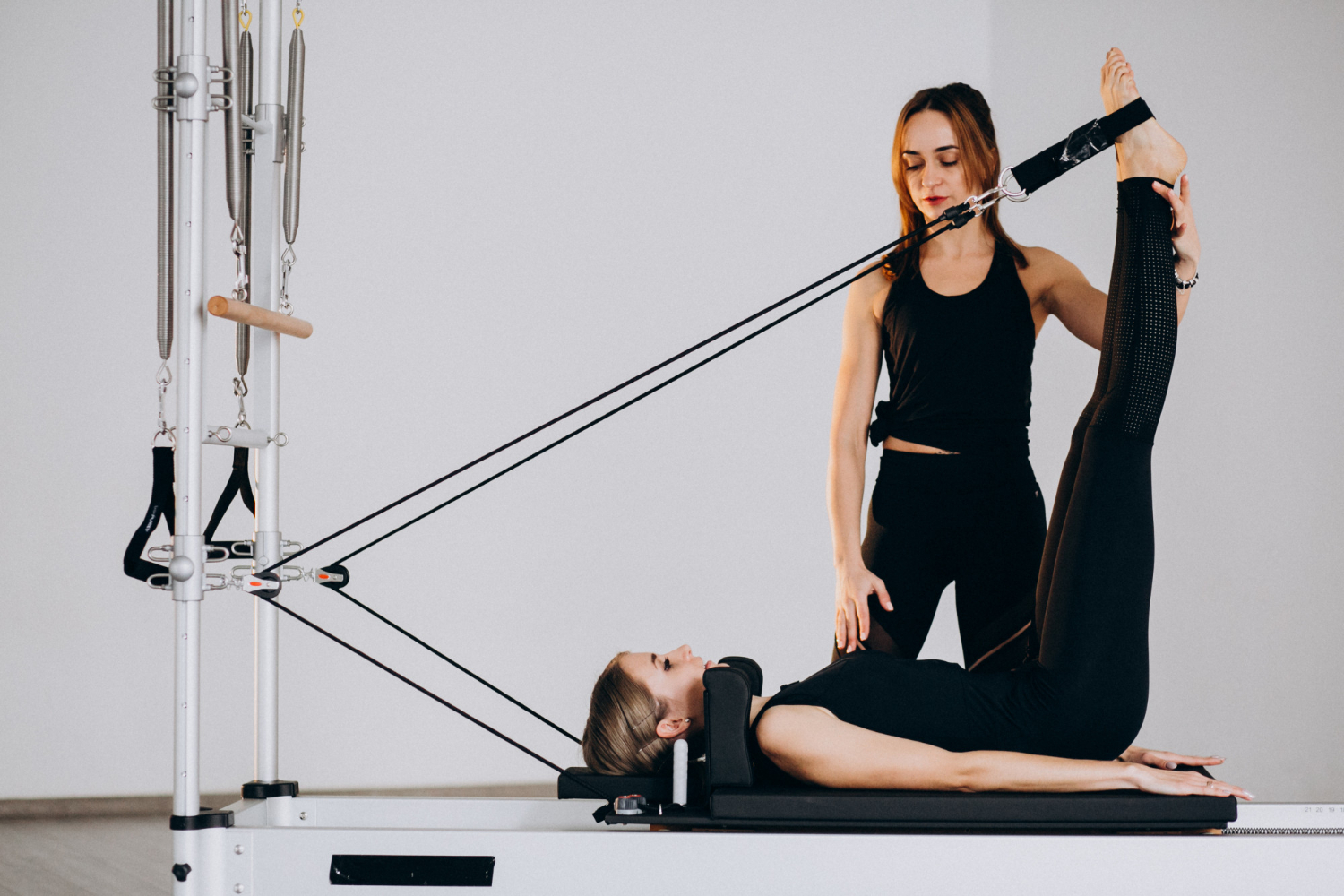
Reformer Pilates is named after the specialized Pilates machine used in sessions. The Reformer consists of a flat platform, called a carriage, that moves on a frame with adjustable springs providing resistance. Exercises involve controlled movements using the carriage, straps, and attachments to target different muscle groups.
Reformer Pilates qualifies as low impact because:
- Controlled Movements: Unlike running or jumping, the exercises avoid pounding and jolting the joints.
- Adjustable Resistance: Springs allow participants to control intensity safely.
- Focus on Alignment: Proper posture during each movement reduces the risk of injury.
FIT 407 offers Reformer Pilates classes in Florida for those seeking joint-friendly workouts, but the method itself can be practiced at many studios.
Key Benefits of Reformer Pilates
- Strengthens the Core: Pilates emphasizes abdominal and stabilizing muscles for better posture and balance.
- Improves Muscle Tone: Resistance training with the Reformer sculpts muscles without adding bulk.
- Increases Flexibility: Exercises stretch muscles while strengthening them, gradually improving mobility.
- Safe for Injuries: Gentle movements help those recovering from injury stay active while protecting sensitive areas.
Who Can Benefit
Reformer Pilates is suitable for:
- Seniors looking for gentle workouts
- Athletes seeking a complementary exercise routine
- Individuals recovering from injuries
- Beginners who want a safe and effective fitness routine
How Reformer Pilates Compares to Other Low-Impact Exercises
- Yoga: Both improve flexibility and alignment, but Reformer Pilates adds resistance for strength building.
- Cycling: Supports cardiovascular health but does not engage core and full-body muscles as effectively.
- Swimming: Provides full-body conditioning but lacks the stability and targeted strength focus of Reformer Pilates.
Among low-impact options, Reformer Pilates combines strength, flexibility, and stability in a single session.
How to Get Started
- Search Your Area: Enter “Reformer Pilates near me” online to find local studios.
- Begin Slowly: Start with beginner classes to build foundational skills.
- Consistency: Regular sessions over weeks help improve strength, tone, and flexibility.
Reformer Pilates is a true low-impact exercise that supports joint health, builds strength, and improves flexibility. It is suitable for a wide range of fitness levels and can be safely adapted for injuries. For those in Central Florida, FIT 407 provides Reformer Pilates sessions, but the approach itself is valuable anywhere. Understanding what is a low impact exercise can help individuals make informed decisions about workouts that are both safe and effective.