

Pilates does work for injury recovery, but your timing and approach matter. Low-impact reformer Pilates can be an effective way to rebuild stability, improve how you move, and support long term strength without putting heavy stress on the body. It tends to help most once the acute phase of an injury has passed and the focus shifts toward moving well again, which means less unnecessary strain on joints and connective tissue over time.
Key Takeaways
- Pilates for recovery can improve core stability, posture, balance, mobility, and movement control.
- It is especially well-supported for chronic lower back pain and may also help with neck, shoulder, hip, and knee issues.
- Reformer Pilates is often more recovery-friendly than mat work because it offers more support and adjustable resistance.
- Pilates builds long-term strength and resilience, but it is not a full replacement for heavy strength training.
- Pilates works alongside physical therapy and medical care, not as a replacement.
- The safest way to start is with the right timing, a qualified instructor, and modifications based on your needs.
Can Pilates Help You Recover From Injury?
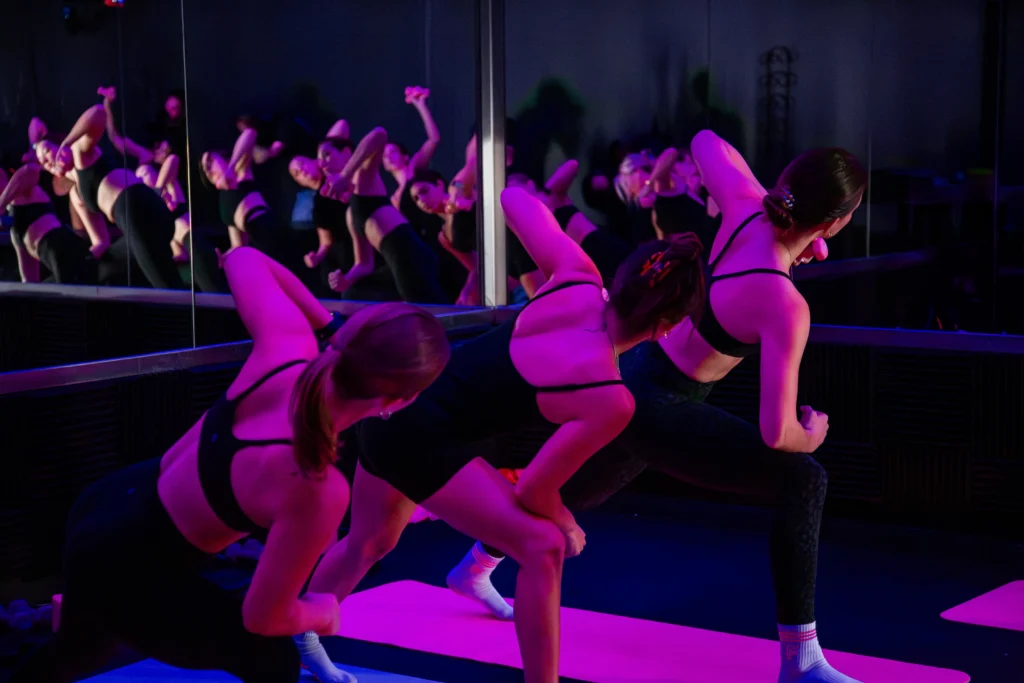
Yes, Pilates for injury recovery can help when it is introduced at the right stage. It is not meant to replace medical treatment during the acute phase, when pain, swelling, or structural damage need direct clinical care. Once that initial phase is under control, Pilates becomes a useful tool for rebuilding strength, support, and confidence in movement.
One of the biggest benefits is that it helps people move better, not just move more. Instead of pushing through high-impact exercise or jumping straight back into intense training, reformer Pilates focuses on controlled movement, alignment, and stability. That makes it valuable for people who need to restore function without overloading healing tissue.
Here’s a closer look at how that process works…
How Pilates Supports Recovery
Pilates supports recovery by helping the body regain the strength and control that often get lost after an injury. This builds support around the spine, pelvis, and joints while improving how the body moves as a whole.
In practical terms, Pilates for recovery helps in a few key ways. You improve deep core support, which takes pressure off your back and other joints. Your posture and alignment get better, which lowers the stress that poor movement patterns place on the body. It also restores balance and body awareness, which matters because injuries often change the way people move even after the pain fades.
Another advantage is that reformer Pilates is low-impact. This allows you to strengthen muscles and improve control without the heavy joint stress of more aggressive exercise. For someone returning from injury, it makes it genuinely safer and more sustainable for healing tissue.
What Injuries Is Pilates Good For
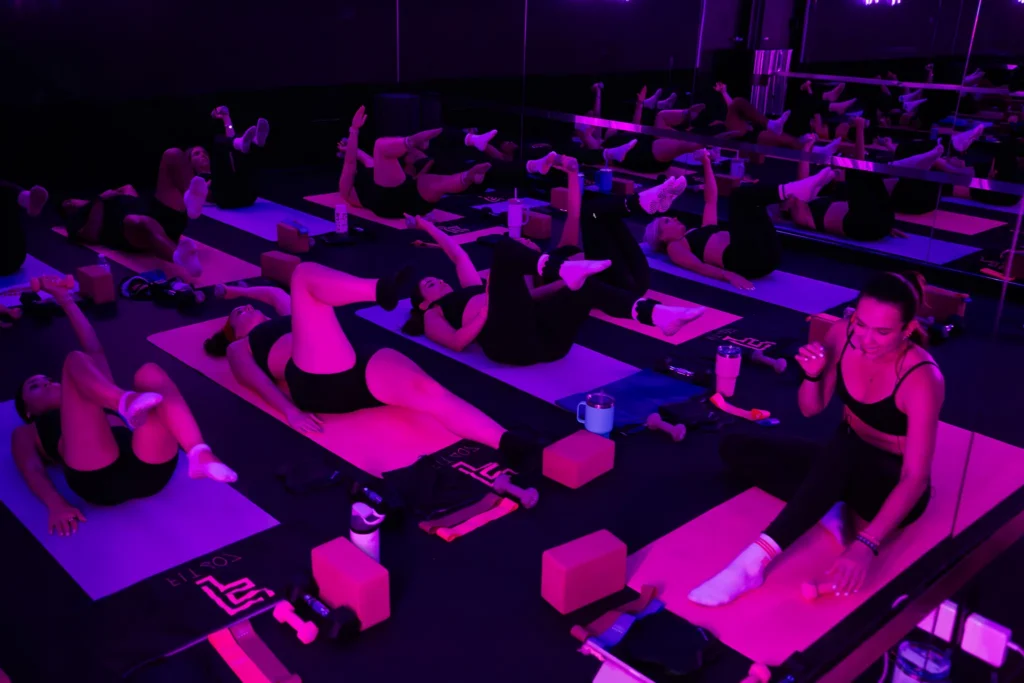
Pilates for injuries is most strongly supported for chronic lower back pain. This is where the research is clearest. Studies have found it reduces pain and improves function, largely because it strengthens the support and control around the spine.
It may also help with other common issues, including neck and shoulder discomfort, knee osteoarthritis, hip problems, and postural strain. In these cases, Pilates can improve alignment, joint support, and muscular balance. It can also play a role in some post-surgical recovery plans, but only with medical clearance and proper supervision.
The point is not that Pilates cures every condition. It is that Pilates can be a useful part of recovery when the goal is to move better, feel more stable, and build strength gradually.
Reformer vs. Hot Mat Pilates for Recovery
This is one of the most useful distinctions for anyone considering Pilates after an injury. Reformer Pilates and hot mat Pilates are not the same experience, and for recovery that difference matters.
Reformer Pilates is often the better starting point because it provides support along with adjustable, spring-based resistance. The machine lets exercises be modified more easily, which reduces strain and makes movements possible that might feel too difficult on the mat. That suits early or mid-stage recovery well.
Hot mat Pilates still has value, but it usually demands more independent control because there is less external support. That can make it more appropriate later in recovery or as long-term maintenance once you have regained a baseline of stability. For many people coming back from injury, reformer Pilates is simply the more practical way to begin. Once that foundation is in place, Pilates also becomes a long-term strength tool.
How Pilates Builds Long-Term Strength
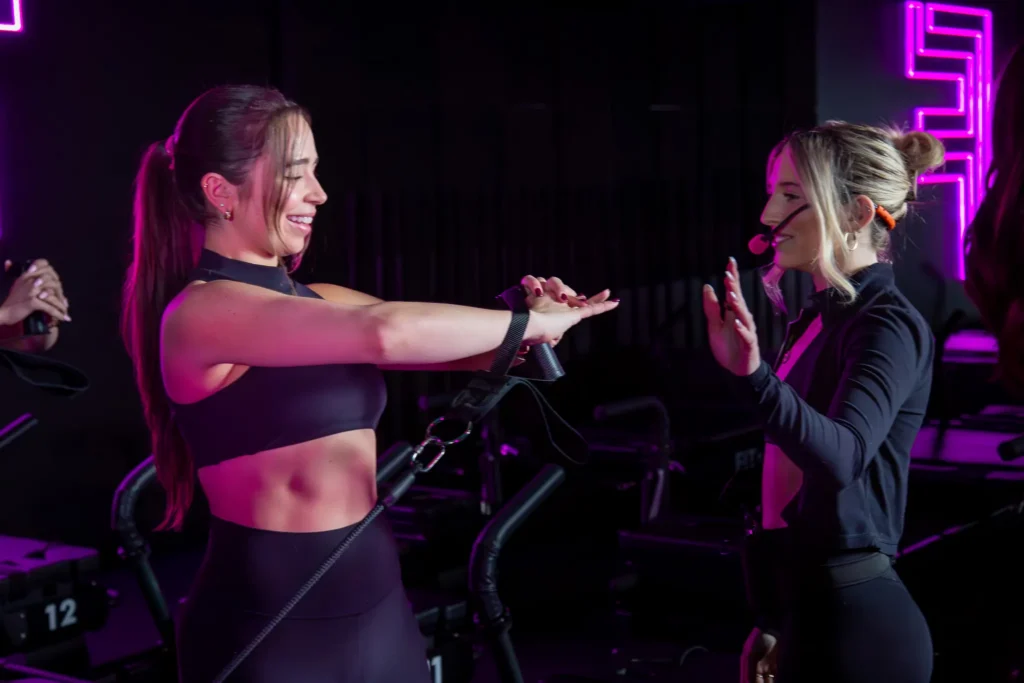
Pilates is not only about recovery. It also plays a real role in long-term strength and resilience by building core strength, muscular endurance, posture, coordination, and control. Over time, that improves how the body handles everyday movement, exercise, and physical stress.
Strength is not only about lifting heavier. It also depends on how well your body stabilizes, how well your joints track, and how efficiently you move. Pilates develops that foundation, which can make other forms of exercise feel better and safer. It may also lower injury risk over time by improving alignment, balance, and control, so there is less unnecessary strain on joints and connective tissue.
How to Start Pilates Safely After an Injury
If you are considering Pilates after an injury, start with the safest, simplest path. First, get clearance from your doctor or physical therapist if you are dealing with a recent injury, surgery, or ongoing pain. Pilates can help a lot, but timing matters.
Next, choose a qualified instructor and a beginner-friendly entry point. A good instructor knows how to modify exercises, watch your alignment, and steer you away from movements that are too aggressive for your stage of recovery. Don’t be afraid to ask if your instructor has experience with injury rehab or holds a certification beyond a basic Pilates diploma.
Many modern Pilates classes use a slow resistance training method that is low-impact and adaptable to all levels. Taking an intro Pilates class as a first-timer lets you ease in with the moves explained in more detail and slower transitions.
How Long Does It Take to See Results From Pilates After Injury?
This will depend on your injury. Where it is and how severe it is also plays a factor into the recovery period. Many users say they start to feel minor relief in as little as one week. Full recovery from injury can take anywhere from one month to a year.
How Often Should You Do Pilates?
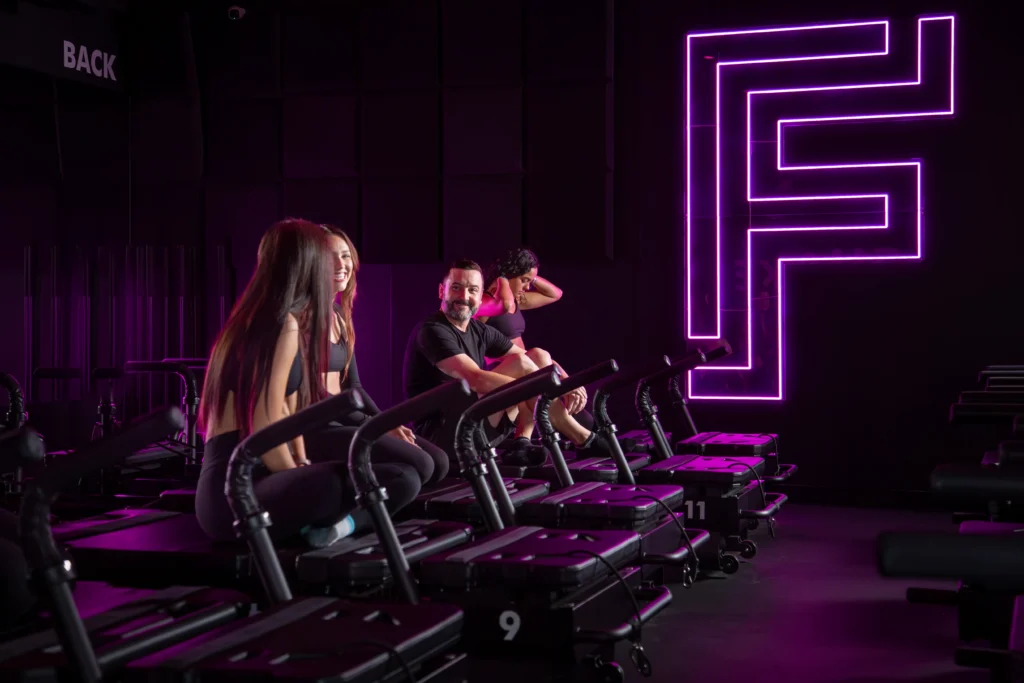
For most beginners using Pilates for recovery or functional strength, a good starting point is two to three sessions per week. Allow yourself a day or two in between sessions early on so your body can adapt. After you’ve built up consistency and progress without overwhelming the body, you can start to add more Pilates classes into your schedule.
What matters most is not doing more for its own sake. It is showing up consistently, focusing on quality movement, and giving the body enough recovery time. During recovery especially, a steady approach beats an aggressive one.
Frequently Asked Questions
Is Pilates good for injury recovery?
Yes. Pilates can be effective for recovery because it is low-impact, adaptable, and focused on stability, alignment, and movement control. It is most useful once the acute phase has passed and the body is ready to rebuild support and function.
Can Pilates help with back pain?
Yes. Pilates is especially well-supported for chronic lower back pain and has been shown to reduce pain and improve function.
Is reformer Pilates better than mat Pilates for recovery?
Often, yes. Reformer Pilates usually provides more support and more adjustable resistance, which makes it a better fit for many people early in recovery.
Can Pilates replace physical therapy?
No. Pilates can support recovery, but it does not replace physical therapy, diagnosis, or medical treatment.
How often should beginners do Pilates?
A good starting point is two to three sessions per week, with enough recovery time between sessions.
Ready to Utilize Pilates for Injury Recovery?
Pilates for injury recovery works best when it helps you move with better support, control, and confidence. It is especially helpful for improving stability, posture, balance, and movement quality without putting too much stress on the body. The key is using it at the right stage, with a qualified instructor, as part of a bigger plan that may also include physical therapy and strength training.