If you’ve fallen in love with Pilates, you’re not alone. Many of our clients at FIT 407 find themselves asking the same question once they’ve experienced its transformative effects: “Is Pilates enough of a workout on its own?” It’s a fair question especially in a fitness culture that often equates “working out” with sweating buckets, lifting heavy weights, or logging endless miles on a treadmill. The truth is, Pilates is a full body workout that can absolutely stand on its own when practiced with consistency and the right level of challenge. But the key to understanding why lies in how Pilates works your body from the inside out.
More Than Just Stretching and Core Work
At first glance, Pilates might look slow or low impact, but don’t let that fool you. Every movement is intentional, and every muscle, especially the deep stabilizers is engaged in a way that challenges both strength and control. Pilates uses your body weight, springs, or resistance bands to create tension that builds lean muscle, enhances mobility, and strengthens your core far beyond surface level work.
Unlike many workouts that isolate muscles, Pilates emphasizes integration of your core, hips, shoulders, and legs working together to stabilize and move efficiently. This type of full body engagement builds balanced strength and functional movement patterns, meaning you’re not just getting fit for your workouts you’re getting fit for life.
How Pilates Builds Strength and Endurance
Strength in Pilates comes from controlled resistance, not momentum. When you move through an exercise like the Reformer’s leg press or a mat based plank variation, your muscles are working eccentrically and concentrically through full ranges of motion. That means you’re lengthening and strengthening at the same time, improving muscle tone without adding bulk.
Over time, Pilates builds remarkable endurance. The constant core activation, balance challenges, and precise alignment demand focus and muscular control that traditional strength training doesn’t always require.
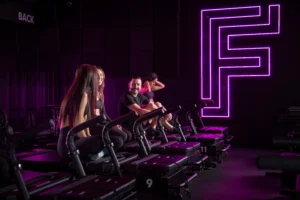
For those wondering about calorie burn: yes, Pilates can raise your heart rate and improve cardiovascular conditioning, particularly in intermediate to advanced classes where transitions are fluid and movements are continuous. Reformer classes at FIT 407, for example, often deliver a steady state cardio effect without the joint strain of running or jumping.
Pilates vs. Traditional
It’s true Pilates won’t replace a heavy powerlifting session or a long run in terms of maximal strength or high intensity cardio output. But it offers something those modalities often miss: balanced, functional conditioning.
- Compared to Strength Training: Pilates develops strength through resistance and control rather than load. While it may not build muscle mass (hypertrophy) at the same rate as weightlifting, it enhances muscular endurance, balance, and alignment. Many athletes use Pilates to correct imbalances caused by repetitive gym routines.
- Compared to Cardio: While Pilates won’t typically reach high heart rate zones like HIIT or sprint training, it strengthens your cardiovascular system in subtler ways by improving breathing efficiency, circulation, and muscular endurance. And since it’s gentle on the joints, it allows for more consistent movement with less recovery time.
In short, Pilates provides a different kind of strength and stamina, one rooted in precision, posture, and body awareness that supports everything else you do.
The Role of Intensity
Not all Pilates is created equal. Your results depend on the format and how progressively you challenge yourself.
- Mat Pilates uses your own body weight and gravity for resistance. It’s great for building foundational core strength, flexibility, and balance.
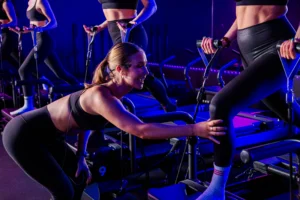
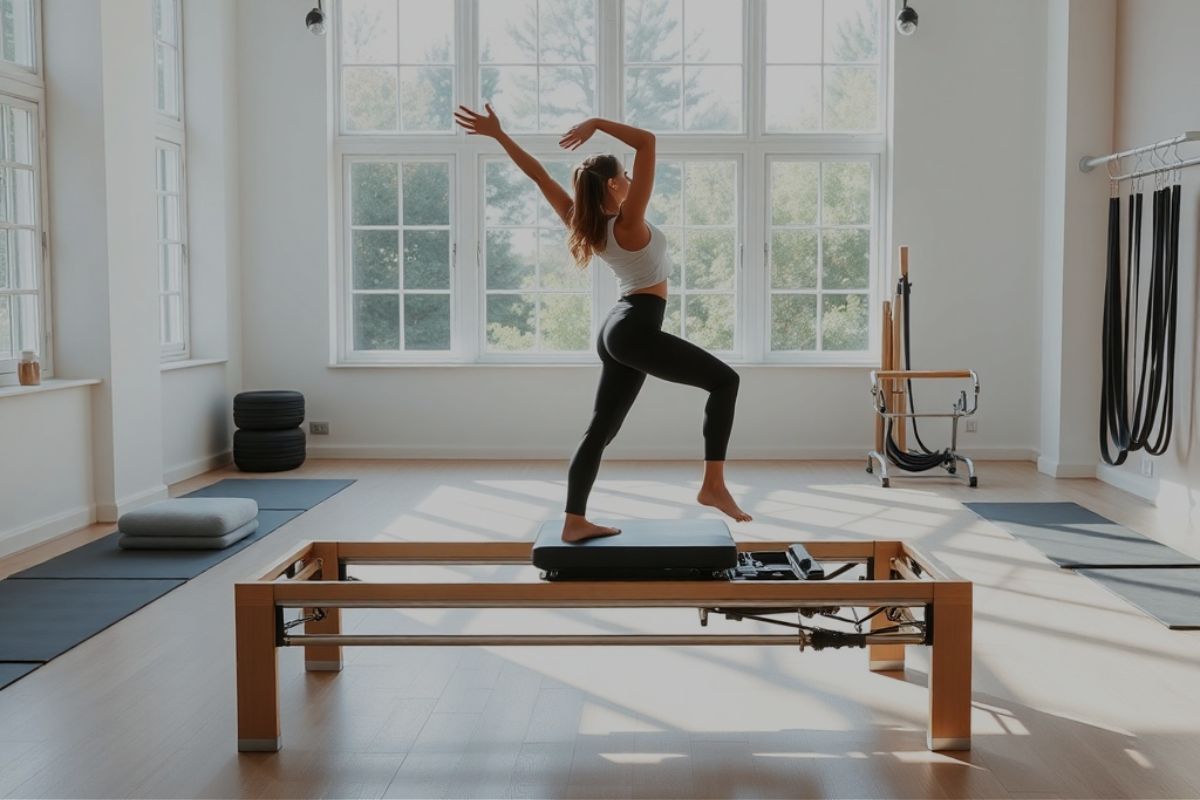
- Reformer Pilates adds resistance through springs, which can be adjusted to increase load and intensity. This version often builds more total body strength and muscular endurance.
Even within each format, intensity can vary dramatically. A beginner class might emphasize form and foundational control, while an advanced class can feel like an athletic conditioning session. At FIT 407, we tailor classes to meet clients where they are, whether you’re rebuilding strength post injury, cross training for a sport, or simply looking for a sustainable way to stay fit.
When practiced consistently and with mindful progression, Pilates can absolutely deliver the strength, tone, and endurance most people want from their fitness routine.
When to Combine Pilates with Other Workouts?
For most people, Pilates can be a complete, sustainable workout on its own especially when practiced 3–4 times per week at a moderate to advanced level. However, certain goals may benefit from strategic cross training:
- Cardiovascular Endurance: If your goal is to improve aerobic capacity or run a 5K, adding low impact cardio like walking, swimming, or cycling can complement Pilates beautifully.
- Muscle Hypertrophy: If building visible muscle mass or maximal strength is your focus, pairing Pilates with progressive resistance training can help you reach those goals faster.
- Sport Specific Performance: Athletes often use Pilates as a foundational practice to enhance mobility, prevent injuries, and improve movement mechanics, while maintaining their sport specific training on the side.
The FIT 407 Perspective
At FIT 407, we believe the best workout is the one you can sustain and enjoy. Pilates checks both boxes. It challenges the body in intelligent, efficient ways, offering strength, flexibility, endurance, and mindfulness in one session.
With consistency, progression, and proper instruction, Pilates is absolutely enough of a workout on its own for most people. It’s not just about getting fit it’s about feeling strong, mobile, and capable in your daily life, now and for years to come.
So if you’ve found your rhythm in Pilates, trust that you’re doing more than “just stretching.” You’re building strength from the inside out and that’s a workout that truly lasts.