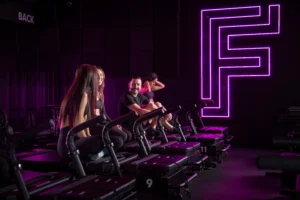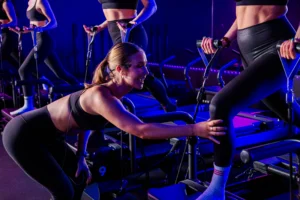

Strength training is often linked with barbells, dumbbells, and progressive overload. But many lifters are now looking for ways to improve mobility, activate underused muscles, and reduce soreness so they can keep training consistently. Pilates for strength training gives weight lifters a method to build better control, balance, and stability that supports heavier lifts and safer movement patterns.
Below is a clear, practical look at how Pilates works with a gym routine and why it can be one of the smartest additions for anyone who trains regularly.
Why Are Lifters Turning to Pilates?
Anyone who lifts weights knows that strength gains require more than just adding plates. Tight hips, a stiff lower back, weak stabilizers, or limited shoulder rotation can all slow progress. Pilates was originally created to build controlled strength through precise movements, which makes it an ideal complement for individuals who lift.
Rather than replacing gym workouts, Pilates fills the gaps that weight training alone sometimes leaves behind. It brings attention to form, alignment, and deep muscle activation so lifters can move better and recover faster.
How Pilates Supports Strength Training Goals
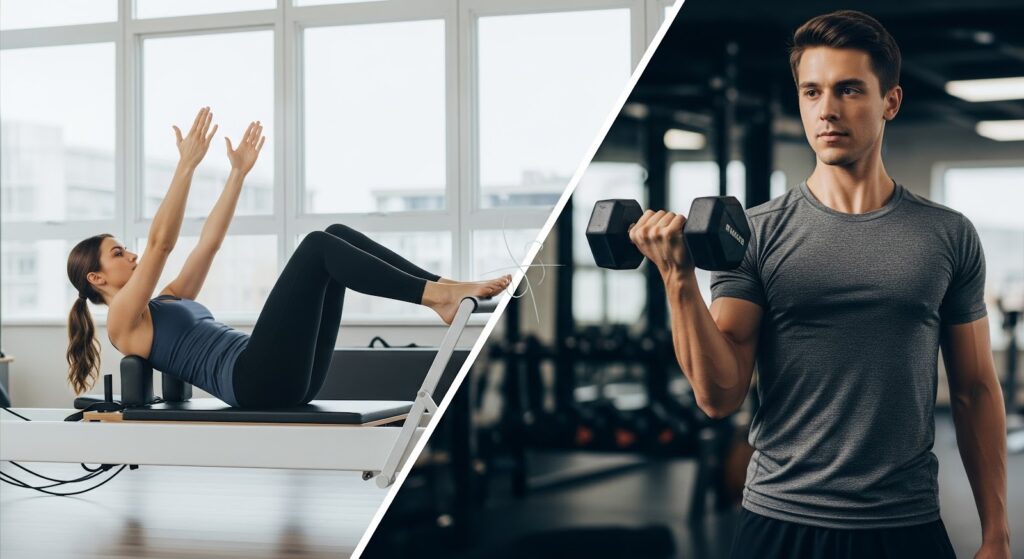
Pilates for strength training works because it targets the core, improves small muscle engagement, and helps build a body that is both strong and mobile. Here is how that translates into real benefits for lifters.
Core Stability that Transfers to Big Lifts
Pilates builds strength in the deeper layers of the core, including the transverse abdominis, pelvic floor, and obliques. These muscles hold the body stable during heavy squats, deadlifts, overhead presses, and rows. When the core is well trained, the spine stays in a safer position and the rest of the body can produce more power.
For example, lifters often rely too much on their lower backs during deadlifts. Pilates trains the body to distribute effort more evenly through the core, glutes, and hamstrings, which helps with control and reduces strain.
Better Body Awareness for Stronger Form
Many Pilates movements require slow, intentional control. This sharpens coordination and body awareness. When lifters understand how to move their joints through full ranges of motion with control, their form in the gym improves naturally.
Someone who struggles with knee caving during squats often finds that Pilates helps wake up the glutes and deep hip muscles responsible for keeping the legs aligned. This can lead to smoother repetitions and more confidence under the bar.
Improved Mobility and Flexibility
Tight shoulders, stiff hips, and rigid hamstrings are common issues for gym goers. Pilates stretches and strengthens the muscles at the same time. Unlike passive stretching, Pilates movement prepares the body to use that mobility during strength work.
Better hip mobility supports deeper squats. Flexible yet strong shoulders help with bench presses and overhead movements. This combination makes lifting feel smoother and more natural.
Recovery Support and Reduced Injury Risk
Pilates movements are controlled and low impact, which makes them ideal for active recovery days. These Pilates sessions increase blood flow and improve joint function without draining energy.
By working on alignment, joint stability, and balanced muscle recruitment, Pilates may also reduce stress on areas that tend to get overworked, such as the lower back or shoulders. Consistent practice often leads to fewer training interruptions and steadier progress.
Reformer Pilates vs Mat Pilates: What Lifters Should Choose
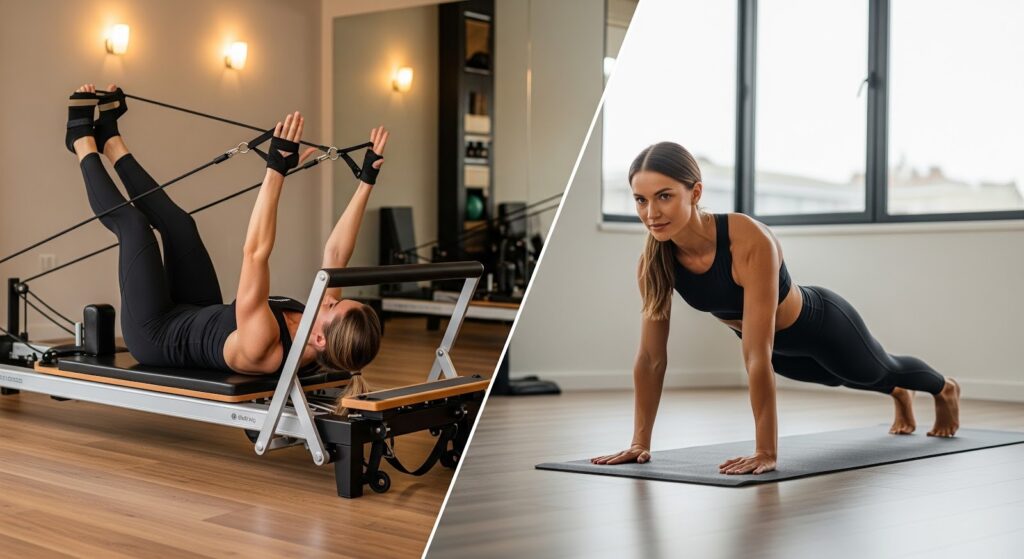
Both styles are useful for strength athletes.
Mat Pilates
Mat work relies on body weight and controlled movement. It improves core strength and challenges stabilizing muscles. This is a good starting point for lifters who want to build a strong foundation and correct imbalances.
Reformer Pilates
Reformer sessions use a spring system that adds resistance without heavy loading. This makes it possible to target smaller muscles that support the major lifts. Reformer work is especially helpful for improving hip stability, shoulder control, and full body alignment.
Many lifters benefit from mixing both styles. Mat classes teach control while the reformer adds structured resistance that feels familiar to gym goers.
Practical Ways to Add Pilates into a Strength Routine
Here are simple and effective ways to use Pilates for strength training without disrupting gym progress.
One or Two Sessions per Week
Most lifters see noticeable improvements in movement and stability with one or two sessions weekly.
Use Pilates on Recovery Days
Active recovery Pilates sessions help reduce stiffness and support muscle repair. These are ideal on days between heavy lifting sessions.
Incorporate Pilates Principles into Lifting
Pilates teaches controlled breathing, alignment, and intentional muscle activation. Applying these lessons during squats, deadlifts, or presses makes each set feel more stable.
For example
- Engaging the deep core before lifting the bar
- Maintaining neutral spine during rows
- Driving from the glutes in lower body movements
Target Weak Spots
If a lifter has tight hips, unstable shoulders, or recurring lower back discomfort, Pilates sessions can be directed toward those problem areas. This creates a more balanced body that can support higher training loads.
Who Benefits Most from Pilates for Strength Training
Pilates works well for
- Lifters who want better technique
- Individuals recovering from small aches or imbalances
- Athletes who need both mobility and strength
- Beginners who need a strong foundation
- Experienced lifters struggling with plateaus
Because Pilates focuses on control and alignment, it fits all strength levels and adapts easily to different goals.
Take Your Strength to the Next Level
Pilates isn’t a replacement for the gym, it’s a powerful complement that improves mobility, core stability, and body awareness. By integrating Pilates into your routine, lifters can move more efficiently, lift with better form, and recover faster between sessions. Whether you’re targeting weak spots, improving alignment, or simply looking to move better, Pilates helps you get the most out of your strength training.Ready to see the benefits for yourself? Explore our class schedule or join Fit Pilates today to start building a stronger, more stable, and well-balanced body.